
With the How to Stop Drinking right mindset and support, you can achieve a fulfilling, alcohol-free life. Communicating your decision to quit alcohol helps build a supportive environment for recovery. Choose a calm, distraction-free moment to discuss your reasons for quitting and explain how alcohol has affected your well-being.
- Along with the symptoms above, you may also experience nightmares, emotional mood swings, sleep disturbances, excessive sweating, and trouble thinking clearly.
- You may feel irritable or have trouble thinking clearly.
- Whether you want to take a break from drinking or you’re quitting alcohol for keeps, bring in some pros to help.
- A word of appreciation or acknowledgment of a success can go a long way.
A different way to get sober
Without proper treatment, your symptoms may advance to the point that the effects are irreversible. Methods like these can help you quit alcohol in a safer, more-timely manner. Many health insurance plans do cover alcohol addiction treatment, including outpatient detox, therapy, and medications like naltrexone.
Gather Support
It’s common for the first symptoms to appear within a few hours after your last drink. Xenia Ellenbogen (she/they) is a journalist specializing in health, mental health, and wellness. Her writing has appeared in publications such as Everyday Health, Well+Good, Rewire News Group, Prism, and more. Keep the big picture in mind through a goal such as reducing your drinking overall in a week, month, or year,” Dr Lee said.
Horny Goat Weed: Uses, Benefits And Side Effects
- Before you quit drinking, book an appointment with your doctor.
- To determine whether—and where—you fall in the alcohol use disorder (AUD) spectrum, answer the following questions.
- To prevent this, your doctor may suggest a treatment program where you stay overnight.
Quitting alcohol gradually or all at once depends on your level of dependence. For heavy drinkers, suddenly stopping can cause dangerous withdrawal symptoms, so tapering off with medical guidance is safer. Continued alcohol use increases the risk of liver disease, heart complications, cancer, and weakened immune function. Chronic drinking can cause fatty liver, alcoholic hepatitis, and cirrhosis, leading to liver failure. It also raises blood pressure, triggers irregular heartbeats, and weakens the heart muscle, increasing the risk of stroke and heart attacks. In your mind, sobriety Halfway house means giving up a large part of this social life and all of the people you drink with.
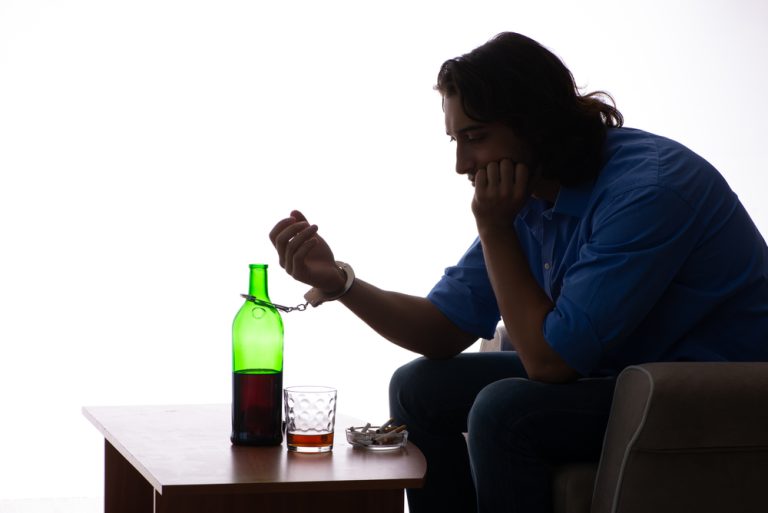
The federal government’s Dietary Guidelines for Americans recommends not drinking at all, but suggests that if you do, keep it under two drinks a day for men and one for women. Talk to your doctor about how that goal could work for you. Keep a record of your drinking to help you reach your goal.


A comprehensive plan will help you remain committed to your sobriety journey. After you stop drinking heavy, regular amounts of alcohol, your nervous system needs time to adjust. That can cause uncomfortable physical and mental symptoms, which can sometimes be life-threatening. Get support from your doctor, friends, and family when you’re ready to stop drinking. That way, they can help you manage the discomfort and respond quickly in case of a medical emergency. Thiamine (vitamin B1) helps your body break down food for energy.
Support can come from family members, friends, counselors, other recovering alcoholics, your healthcare providers, and people from your faith community. Whether you choose to tackle your alcohol addiction by going to rehab, getting therapy, or taking a self-directed treatment approach, support is essential. Recovering from alcohol addiction or abuse is much easier when you have people you can lean on for encouragement, comfort, and guidance. This can sometimes cause unpleasant withdrawal symptoms, and these symptoms can make it hard to stick with your recovery plan. This article describes how to determine if you have a problem with alcohol use and offers advice on how to decide to quit drinking. No matter your situation, Dr. Das emphasizes the power of enlisting help as you embark on a life sans booze.