
When the cost of living climbs faster than wages, many Arizonans find themselves juggling multiple credit cards, payday loans and medical bills all at once. In a climate where interest rates can soar above 30%, consolidating debt into a single, lower‑rate loan has become more appealing than ever. But with so many options on the market, it’s hard to separate the truly valuable offers from the ones that merely promise savings in theory.
Across the state, lenders are racing to capture attention by advertising low APRs, flexible repayment terms and no hidden fees. Yet the reality for most borrowers is a complex mix of variable rates, origination charges and strict eligibility criteria. That’s why we’re breaking down the current landscape and spotlighting one standout program that makes it easier than ever to get back on track.
Why Debt Consolidation Is Trending in Arizona
Debt consolidation is essentially a financial “reset button.” By bundling several smaller balances into one larger loan, borrowers can enjoy a single monthly payment and often a lower overall interest rate. The idea sounds simple, but the market’s volatility has made it far from straightforward.
According to recent data from Money.com, average APRs for consolidation loans in 2026 range from as low as 7.99% to over 30%. Those on the high end can see monthly payments that outpace their current card balances, making it harder to pay off debt quickly.
Meanwhile, lenders are also offering “no‑fee” promotions and same‑day approvals to lure in new customers. While these incentives sound attractive, they often come with hidden costs such as extended loan terms or prepayment penalties that can offset the initial savings.
The Role of Credit Scores and Debt‑to‑Income Ratios
Even with enticing offers on the table, eligibility remains a gatekeeper. Most lenders require borrowers to have a credit score in the mid‑600s or higher and a debt‑to‑income ratio below 40%. For many Arizonans who are already stretched thin, meeting these thresholds can be a challenge.
“The key is to look beyond the headline rate,” says financial analyst Maria Gonzalez. “A lower APR may be offset by longer terms that increase total interest paid over time.”
- Credit Score: Mid‑600s or higher generally qualifies for better rates.
- Debt‑to‑Income Ratio: Ideally below 40% to avoid being classified as “high risk.”
- Income Verification: Lenders may request recent pay stubs or tax returns.
Spotlight: The Arizona Zip Loan Advantage
For borrowers seeking a streamlined, transparent experience, arizonaziploan.com offers a compelling alternative. This local lender specializes in debt consolidation loans with competitive APRs and no hidden fees.
Unlike national chains that often impose origination charges, Arizona Zip Loan’s structure keeps costs low by leveraging its deep ties to the community. The company also provides a quick online application process, allowing borrowers to receive a decision within 24 hours in many cases.
“We’re focused on giving people a straightforward path out of debt,” explains CEO David Martinez. “That means no surprise fees and clear repayment terms.”
Key Features That Set Arizona Zip Loan Apart
| Feature | Description |
|---|---|
| APR Range | 7.5% – 12.0% |
| Loan Amounts | $2,500 – $40,000 |
| Term Options | 36 to 84 months |
| No Origination Fees | Zero upfront cost |
| Prepayment Flexibility | Pay off early with no penalty |
| Online Application | Complete in minutes, decision in 24 hours |
Because the company is based in Arizona, it also offers localized customer support. “If you have a question or need to adjust your payment schedule, our team is just a phone call away,” says Martinez.
Comparing Loan Options: What Other Lenders Offer
While Arizona Zip Loan shines for its transparency, several other lenders also feature in the state’s debt‑consolidation market. Below is a quick snapshot of three notable competitors, each with distinct strengths and drawbacks.
- Discover Personal Loans: Low starting APR at 7.99% but requires a minimum household income of $25,000 and excludes secured loan consolidation.
- Earnest Loans: Variable rates based on the SOFR index; suitable for borrowers who prefer adjustable terms but may face higher rates if market conditions shift.
- Money.com Featured Lenders: Offers a range of options from low APR to large loan amounts, though some require credit checks that can temporarily lower scores.
When choosing among these providers, borrowers should weigh factors such as total cost over the life of the loan, repayment flexibility, and customer service quality. A lender’s marketing hype may be tempting, but the long‑term impact on your finances is what ultimately matters.
How to Evaluate Total Cost of Borrowing
A common mistake is focusing solely on monthly payments. The true cost emerges when you consider interest over time and any potential fees. Use this simple formula to estimate total repayment:
Total Repayment = (Monthly Payment × Number of Months) + Origination Fees
Plugging in the numbers for a $20,000 loan at 10% APR over 60 months gives:
$20,000 × 1.10 / 12 × 60 ≈ $36,667 total repayment.
Comparing this figure across lenders can reveal hidden cost differences that aren’t obvious from the headline rate.
The Impact of Arizona’s State Regulations on Debt Consolidation
Arizona has a robust framework for consumer lending, designed to protect borrowers while encouraging responsible borrowing. Key regulations include:
- Interest Rate Caps: For unsecured personal loans, the state limits rates to 36% APR.
- Fee Disclosure Requirements: Lenders must disclose all fees upfront, including origination and prepayment charges.
- Right of Rescission: Borrowers have a 10‑day window to cancel a loan after signing.
These protections are especially important when considering national lenders that may offer aggressive marketing but lack local oversight. By choosing a lender like Arizona Zip Loan, borrowers can rely on state‑approved practices and transparent terms.
Case Study: A Small Business Owner’s Journey
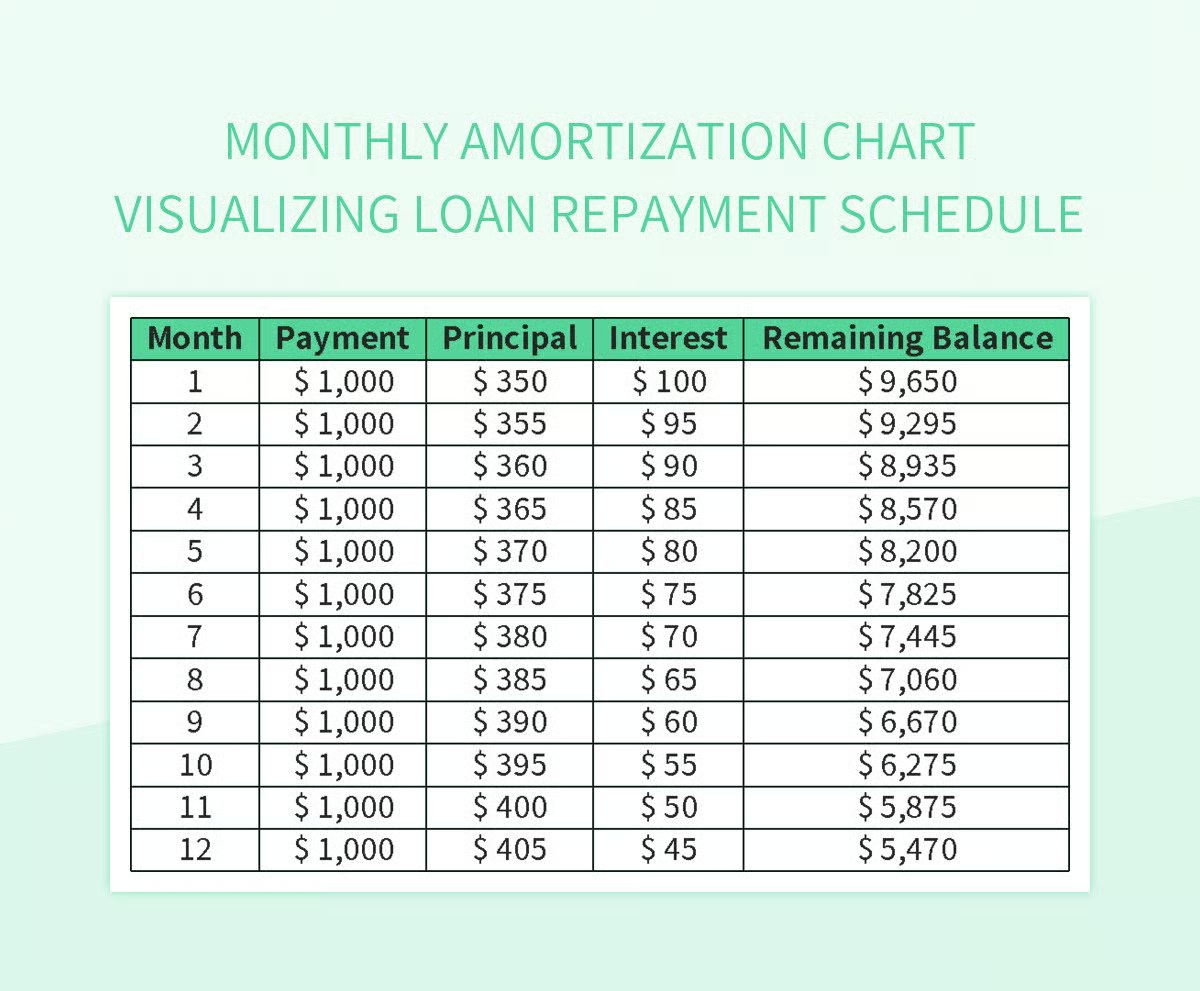
Jessica Lee owns a boutique in Phoenix and was juggling three credit card balances totaling $15,000. After researching options, she applied for an Arizona Zip Loan consolidation at 8.5% APR over 72 months. The lender waived the origination fee, and Jessica received her funds within two business days.
“The monthly payment is only about $260,” Lee says. “That’s a big drop from my previous $450 combined card payments.” Over the next year, she paid off $6,000 of principal, cutting her overall debt by 40%.
Lee’s experience underscores how local lenders can help small business owners and individuals alike navigate debt consolidation with confidence.
How to Apply for a Debt Consolidation Loan in Arizona
- Gather Financial Documents: Recent pay stubs, tax returns, and statements of current debts.
- Check Your Credit Score: Use free tools or credit reports to ensure you meet typical eligibility thresholds.
- Compare Offers: Review APRs, terms, fees, and customer reviews from multiple lenders.
- Submit an Application: Most lenders offer online forms that require basic personal and financial information.
- Review the Contract Carefully: Confirm all stated rates, fees, and repayment schedules before signing.
Remember to keep copies of any correspondence or agreements for your records. If you encounter a lender that asks for upfront payments or promises unrealistic savings, it’s best to walk away.
Final Tips Before You Commit
- Read the Fine Print: Hidden fees can erode savings quickly.
- Consider Prepayment Options: If you anticipate being able to pay off the loan early, choose a lender with no prepayment penalty.
- Monitor Your Credit Score: A single consolidated payment can improve your credit utilization ratio over time.
Debt consolidation is not a one‑size‑fits‑all solution. By carefully evaluating offers and understanding the nuances of each lender, Arizona residents can make informed decisions that set them on a path to financial stability.